 |
| |

• Home
• Special Hosted Safaris
• Photographic Safaris
• Birding Safaris
• Cultural Experinces
• Special Adventures
• Photo Galleries
• Who we are
• Notes from the bush
• What our guests say
• Special lectures
• Facts
about Botswana
• Buy
Crafts from Botswana
• Links
• Contact us
Birding Safaris
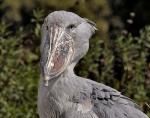
We offer specialized 10 and 13 day mobile birding safaris around northern Botswana conducted by expert ornithologists. We also offer birding cruises on the Okavango River and trips to Zambia to see the unique shoebill stork.
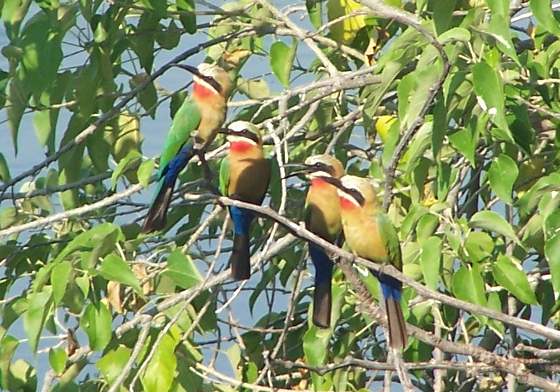
These mobile safaris bring you to different habitats and offer the chance to see a huge number of species. We recommend going during the southern hemishere's spring and summer months (October through to March) when the intra-African and European migrants are resident.
Visit the Okavango Delta where the Okavango River spreads out to form channels, lagoons and backwaters, and the largest Ramsar site in the world. The threatened wattled crane and slaty egret have their global stronghold in this area. Other special birds include: rufous-bellied heron, coppery-tailed coucal, rosy-throated longclaw, collared pratincole, chirping cisticola, long-toed lapwing, Pel's fishing owl, pink-backed pelican, swamp boubou, brown firefinch, western banded snake eagle, greater swamp warbler, African pygmy goose, African skimmer, long-crested eagle, white-backed night heron, bat hawk, African wood owl, narina trogon and southern carmine bee eater.
Let our guides take you to all of the spots of interest...
The Chobe River provides a variety of habitats. Special birds include: Bradfield's hornbill, western banded snake eagle, green-capped eremomela, Miombo rock thrush, Stierling's wren-warbler, pennant-winged nightjar, racket-tailed roller, broad-tailed paradise whydah, orange-winged pytilia, trumpeter hornbill, bearded robin, red-faced cisticola, collared palm thrush, copper sunbird, purple-banded sunbird, brown firefinch, slaty egret, rufous-bellied heron, rosy-throated longclaw, Allen's gallinule, lesser moorhen, red-headed quelea, chirping cisticola, luapula cisticola, greater swamp warbler, white-crowned lapwing, African skimmer, rock pratincole, African finfoot, half-collared kingfisher and white-backed night heron.
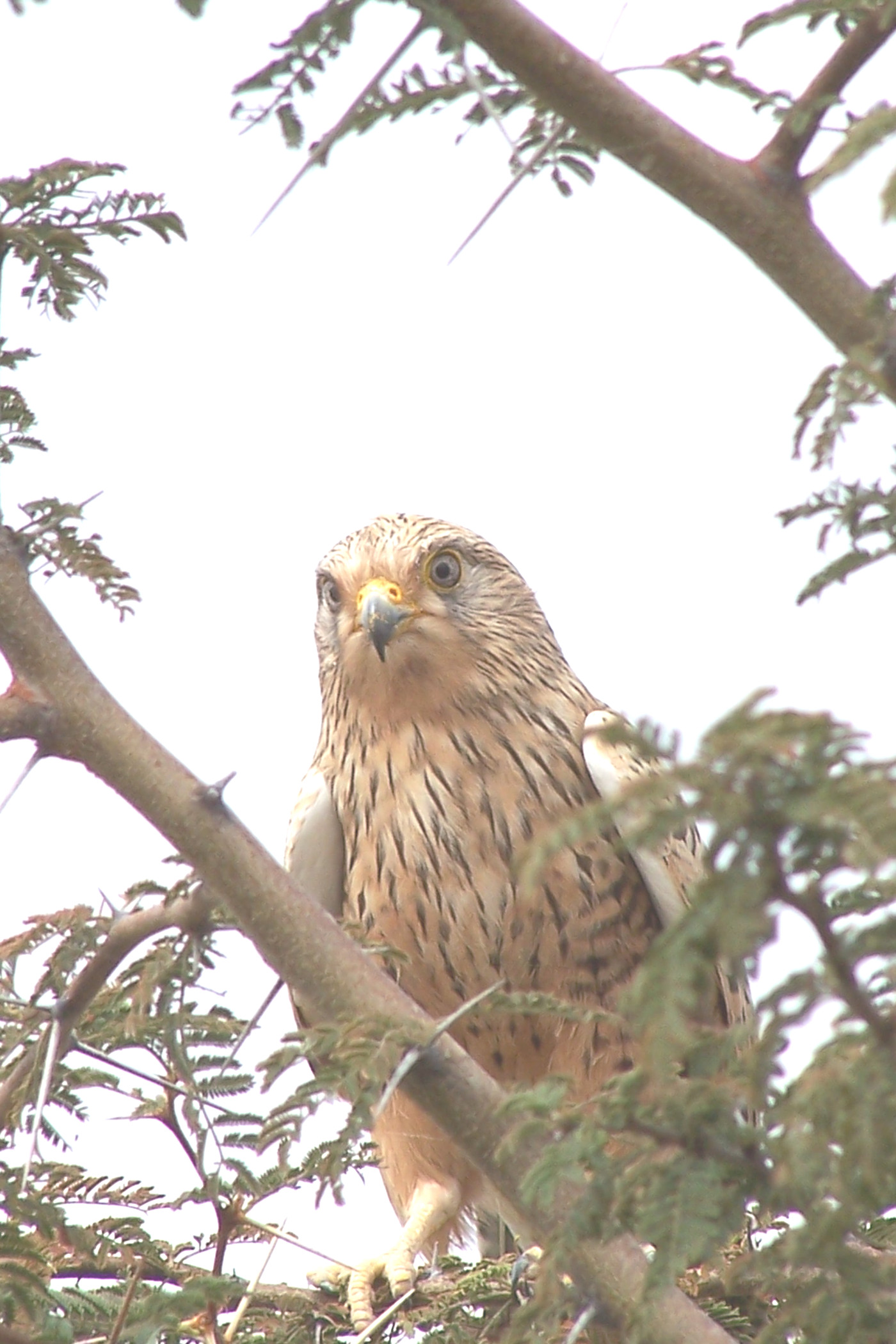
The Makgadikgadi Pans are a shallow alkaline lake system covering 4.350 square miles. The pans are famous for their large flamingo breeding colonies. Other special birds include: great white pelican, caspian tern, grey-headed gull, African spoonbill, spike-heeled lark, pink-billed larek, rufous-naped lark, Cape clapper lark, chestnut-backed sparrowlark, northern black korhaan, greater kestrel, capped wheatear, lesser kestrel, red-footed falcon, African palm swift, red-necked falcon, wattled crane, grey crowned crane, black-necked grebe, collared pratincole, black-winged pranticole, Montagu's harrier, Pallid harrier, Caspian plover, martial eagle, tawny eagle, kori bustard, southern ground hornbill, secretarybird, bronze-winged courser, Orange River francolin, Burchell's sandgrouse and yellow-throated sandgrouse.
Much of the rest of the country consists of the Kalahari sandveld ecosystem, a mixture of low shrubs and bushes interspersed with patches of woodland. The more arid central and south-west areas support red-capped lark, grey-backed sparrowlark, capped wheatear, double-banded courser, greater kestrel, acacia pied barbet, crimson-breasted shrike, ostrich, kori bustard, northern black korhaan, Caspian plover, Cape crow, Kalahari scrub-robin, black-chested prinia, Marico flycatcher, scaly-feathered finch, lesser grey shrike, rufous-cheeked nightjar, Sabota, fawn-coloured and rufous-naped larks, swallow-tailed bee eater, lesser masked weaver, gabar and southern pale chanting goshawks and black-chested snake eagle.
Zambia
Shoebill Stork Safari - This safari starts in Lusaka with the first
night spent in Kasanka National Park in the Bengweulu wetlands at this exclusive
tented camp on the Kasanka River. Go on a short afternoon walk in the riparian
woodland looking for Pel's fishing owl, Cabanis's greenbul, Schalow's turaco,
purple-throated cuckooshrike and many other species. Visit the famous Fibwe
Hide-considered the best viewing area for the rare sitatunga antelope anywhere.
Fly by light aircraft into the Luangwa Valley and stay at Flatdogs Camp,
then go out on an afternoon excursion into the South Luangwa National Park.
|
Womens Work Botswana |
©2006 African Excusions All rights reserved